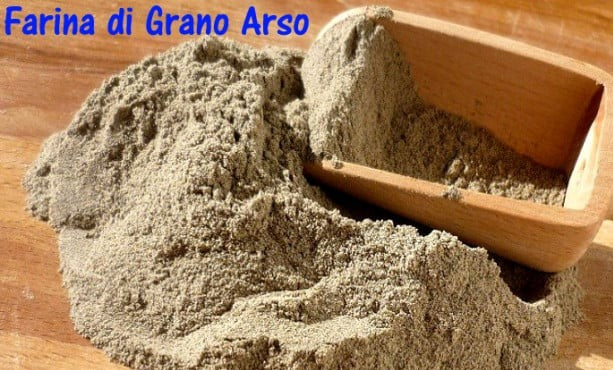
Stone-ground burnt wheat flour
Stone-ground burnt wheat flour
Couldn't load pickup availability
Stone-ground burnt wheat flour. 500g pack
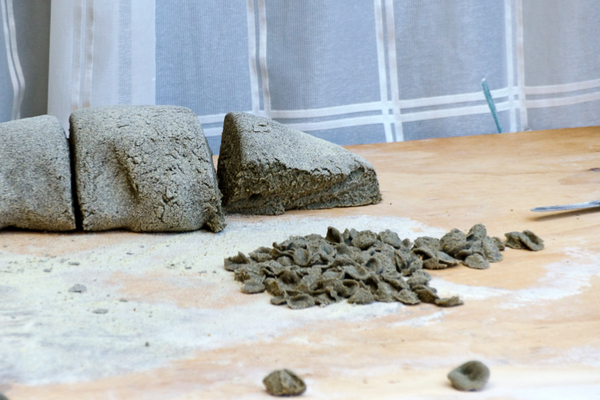
The history of burnt wheat is intertwined with that of the Puglia region, and particularly the Capitanata area. Indeed, it was here that laborers originally harvested the wheat grains left on the ground after stubble burning. With this waste, recovered at low cost, it was easy to produce a flour used to make all types of bread, pasta, and focaccia for everyday use. In some cases, this dark flour was also mixed with regular wheat flour, but more often, it was the poorest families who used it for subsistence purposes. In 2014, a team of scholars from the University of Foggia, spurred by the interest this dark flour was generating among some local chefs, developed a technique to update this traditional procedure. Burning wheat is no longer permitted, as it was considered harmful to health. Today, burnt wheat flour is produced using a process in which the grains are shelled and toasted, which also gives it a woody, hazelnut, and caramel aroma.
CHARACTERISTICS OF BURNT WHEAT FLOUR. It's not just the distinctive toasted flavor that characterizes this flour; many other properties are driving its success. It's whole grain and contains a lower amount of gluten, so much so that according to researchers from Foggia, it's suitable for those with gluten intolerance, naturally in its "pure" version. Compared to traditional wheat flour, burnt wheat flour has a higher protein and mineral content, but it's not currently possible to determine its actual gluten content. This, combined with the fact that it typically doesn't exceed 30% gluten in baked goods, means that while it's suitable for those with gluten intolerances, it's not considered 100% safe for celiacs, who are advised to consult their doctor before consuming it.
Culinary uses of burnt wheat flour
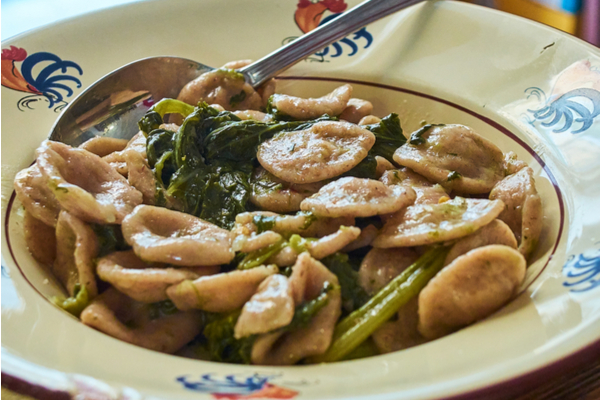
As we've already mentioned, burnt wheat flour is used, mixed with other types of flour, to make bread, focaccia, and pasta. Given its region of origin, it's no surprise that it's also used to make orecchiette, taralli, and other Apulian delicacies. It's perfect for all types of fresh, short pasta, such as cavatelli and cicatelli, because burnt wheat flour allows the pasta to flake more easily. Be careful when cooking, though, as there are no particular restrictions when it comes to seasonings: try the classic with turnip greens, but also cherry tomatoes, burrata, and cacioricotta. This type of flour is also used to make some desserts, to which it gives a bronze color. It pairs particularly well with homemade jams and preserves, which maintain that more rustic and authentic flavor. So, go ahead with cakes and pies, remembering to follow the rule of thumb: 30% burnt wheat flour and 70% traditional wheat flour.
BURNT WHEAT IN THE FLOUR OF GREAT CHEFS
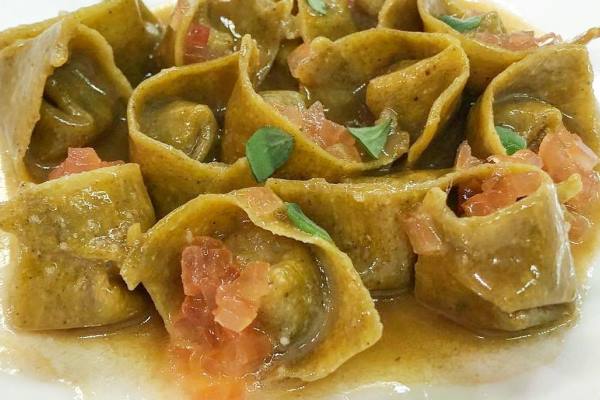
It was the great Italian and international chefs who first fell in love with this Apulian tradition. And it was precisely a native of Puglia who contributed to bringing this type of preparation back into fashion: we are talking about Peppe Zullo who, in 2015, proposed some products based on burnt wheat for an exclusive wedding in Fasano. Fabio Abbattista, executive chef of the Leone Felice restaurant and of the Albareta Relais et Chateaux in Franciacorta, went even further: for him, burnt wheat means the taste of home and childhood, which is why he wanted to dedicate an entire menu to it where the classic orecchiette are accompanied with the cooking sauce of beef or horse chops with lard and parsley. Cristina Bowerman, executive chef of the Glass in Rome, was also won over by burnt wheat flour and prepares excellent cavatelli based on this Apulian delicacy: for her, it is one of the recipes of life and also in this case, burnt wheat is associated with childhood and those authentic flavours that recall memories. Burnt wheat orecchiette are also found at the “Faro” in Brooklyn, while chef Marc Vetri has He developed a personal toasting technique to prepare the flour for a delicious focaccia served at his Philadelphia restaurant. He also uses his own burnt wheat for pappardelle, created by Matthew Accarrino of SPQR restaurant in San Francisco and at chef Nicholas Stefanelli's Masseria in Washington. This is how a Puglian tradition, a product of humble origins, has become a brand, a symbol of Italianness, promoted by international chefs who have grasped its potential. Have you ever tried orecchiette made with burnt wheat flour?