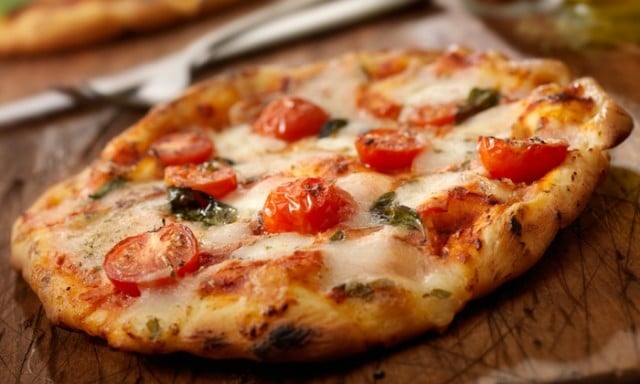
The real Roman Pinsa. A mix for ancient grain focaccia.
The real Roman Pinsa. A mix for ancient grain focaccia.
Couldn't load pickup availability
The dish in question was first prepared in our history by the Romans, who followed an original yet simple recipe, originally prepared with ground grains and readily available ingredients such as herbs and salt for flavor. It is believed to have originated well before the classic pizza we have long been accustomed to eating for leisure and social occasions. The mixture that makes up Pinsa also has a high nutritional value, despite being much lighter than other baked goods, containing less fat and, above all, complex carbohydrates. The use of healthy and natural ingredients such as rice, soy, and, generally, wheat, is also essential to the authenticity of a good Pinsa, a dish suitable for all consumers. Having touched on the history of Pinsa Romana, it is certainly necessary to try to prepare it following the so-called tricks of the trade to obtain a digestible and tasty dish. The main ingredients include, at the core, a good Pinsa flour, typically made from simple wheat, rice (which provides adequate moisture to the dough, making it lighter and easier to digest), and soy (essential for the perfect crumbly texture). This is complemented by dried acidic pasta, which enhances the already excellent digestibility of the product by participating in the leavening of the Pinsa. Allowing the dough to properly mature through all the stages of leavening is undoubtedly an important process that depends on the consistency and quality of the flour. A good Pinsa dough can be fully matured in about five hours, while with strong flours, which absorb a greater amount of water than traditional weak flours, it may take several days. Given this, it's important to consider the composition of a long-rising Pinsa dough, consisting of (for each liter of water used) Pinsa Romana flour, a few grams of yeast, salt, and oil, all carefully ensuring the dough reaches a temperature of approximately 23 degrees Celsius at the end of the process. The kneading process can be described as follows: place the aforementioned ingredients, including yeast and flour, into the mixer and begin mixing. Then, pour in almost all of the water prepared for the dough, while continuing to knead at low speed for about a minute, increasing the speed over the next 8-9 minutes. At this point, add the salt, then knead again for about three minutes. This brings us to the moment of adding the oil: after adding as needed, prepare to knead the dough for two minutes. Now add the remaining water from the one used at the beginning of the Pinsa Romana preparation, slowly stirring for about 5 minutes. As mentioned, the dough will take about twenty minutes to rise, after which the resulting mixture should be left to rest for about half an hour, ventilated every ten minutes or so at room temperature.